ISLAA
The Precious Life of a Liquid Heart
On Now:
Oct 28, 2023 → Feb 10, 2024
10.28.23 → 02.10.24
ARTISTS
Carolina Caycedo
Chonon Bensho
Nádia Taquary
Seba Calfuqueo
UÝRA
Soi Noma
CURATORS
Bernardo Mosqueira

The Institute for Studies on Latin American Art (ISLAA) is pleased to announce The Precious Life of a Liquid Heart, on view at their new Tribeca headquarters from October 28, 2023 through February 10, 2024. Featuring works by artists Carolina Caycedo, Chonon Bensho, Nádia Taquary, Seba Calfuqueo, UÝRA, and the collective Mujeres Muralistas Soi Noma, the exhibition inspires environmental consciousness by offering alternatives to the colonial ways of understanding nature.

Concentrating approximately a third of the planet's freshwater resources, Latin America has the world’s highest ratio between the number of inhabitants and the volume of river waters, but with the expansion of colonialistic, extractive practices, an unprecedented water crisis has been growing in the region. Today, more than 150 million people live in areas without access to clean water. Climate change, the increasing density of urban areas, the spread of illegal and legal mining, and the intensification of monoculture farming for export have radically worsened scenarios of drought, contamination, and chemically induced death of these rivers.

In this context, The Precious Life of a Liquid Heart highlights cosmologies present in Latin America that refuse to reduce water to a “natural resource” to be exploited and commodified. For different Indigenous and Afro-diasporic communities in the region, rivers are their ancestors, deities, the houses of the spirits, and the original source of life. This perspective makes all humans responsible for offering care and devotion to these waters.

Curated by ISLAA Chief Curator Bernardo Mosqueira, this exhibition aims to help reconnect people with their responsibilities to these bodies of water. Through drawings, embroidery, installation, painting, photographs, sculpture, and video, visitors are invited to reimagine the world as an enchanted place. Merging the waters of Latin American rivers onto the banks of the Hudson River, The Precious Life of a Liquid Heart highlights how Latin American ways of knowing and living can offer new and ancestral solutions to the most important and pressing global problems.

INSTALLATION VIEWS
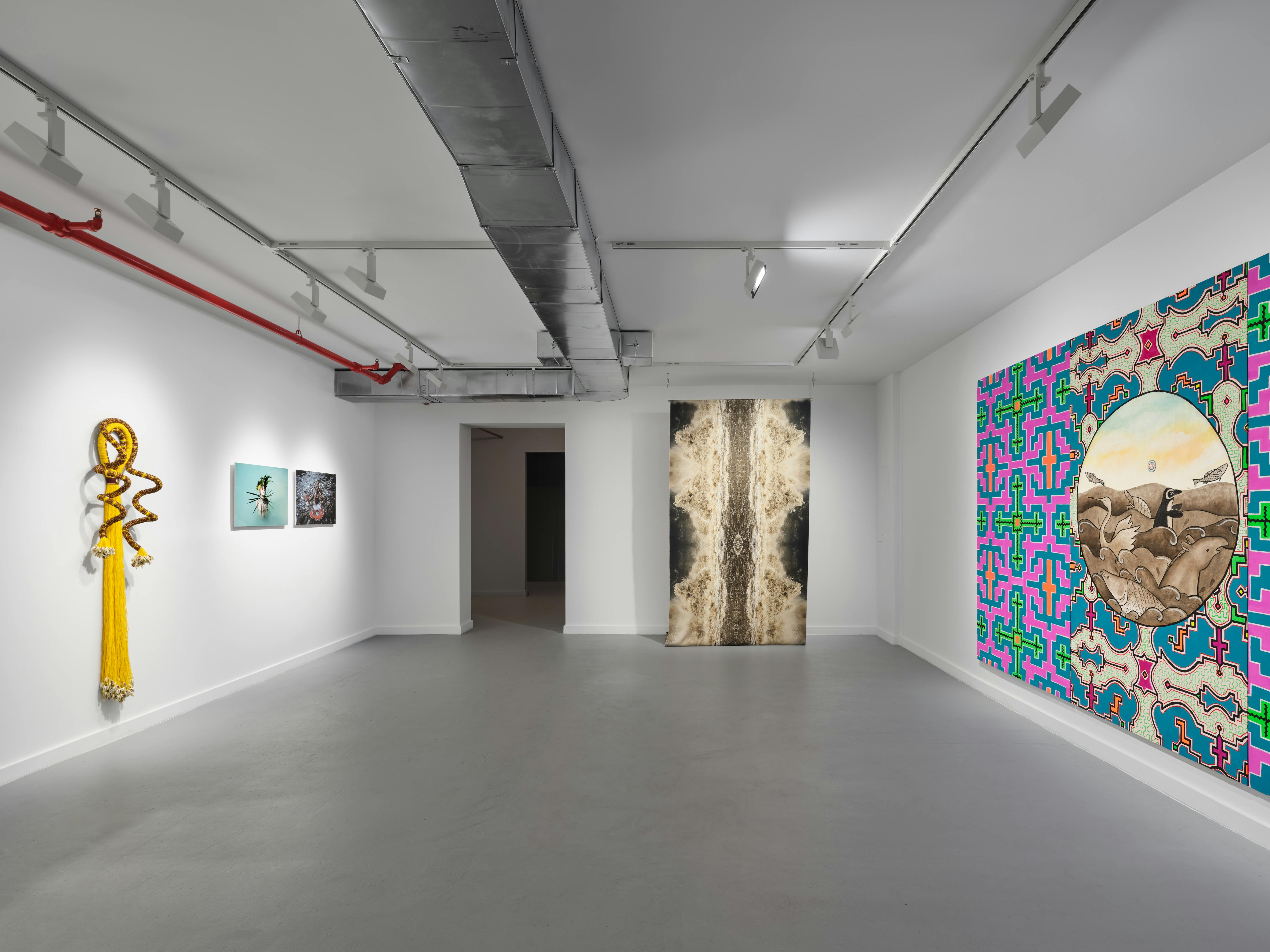
Installation view of The Precious Life of a Liquid Heart, Institute for Studies on Latin American Art (ISLAA), New York, 2023. Photo: Olympia Shannon
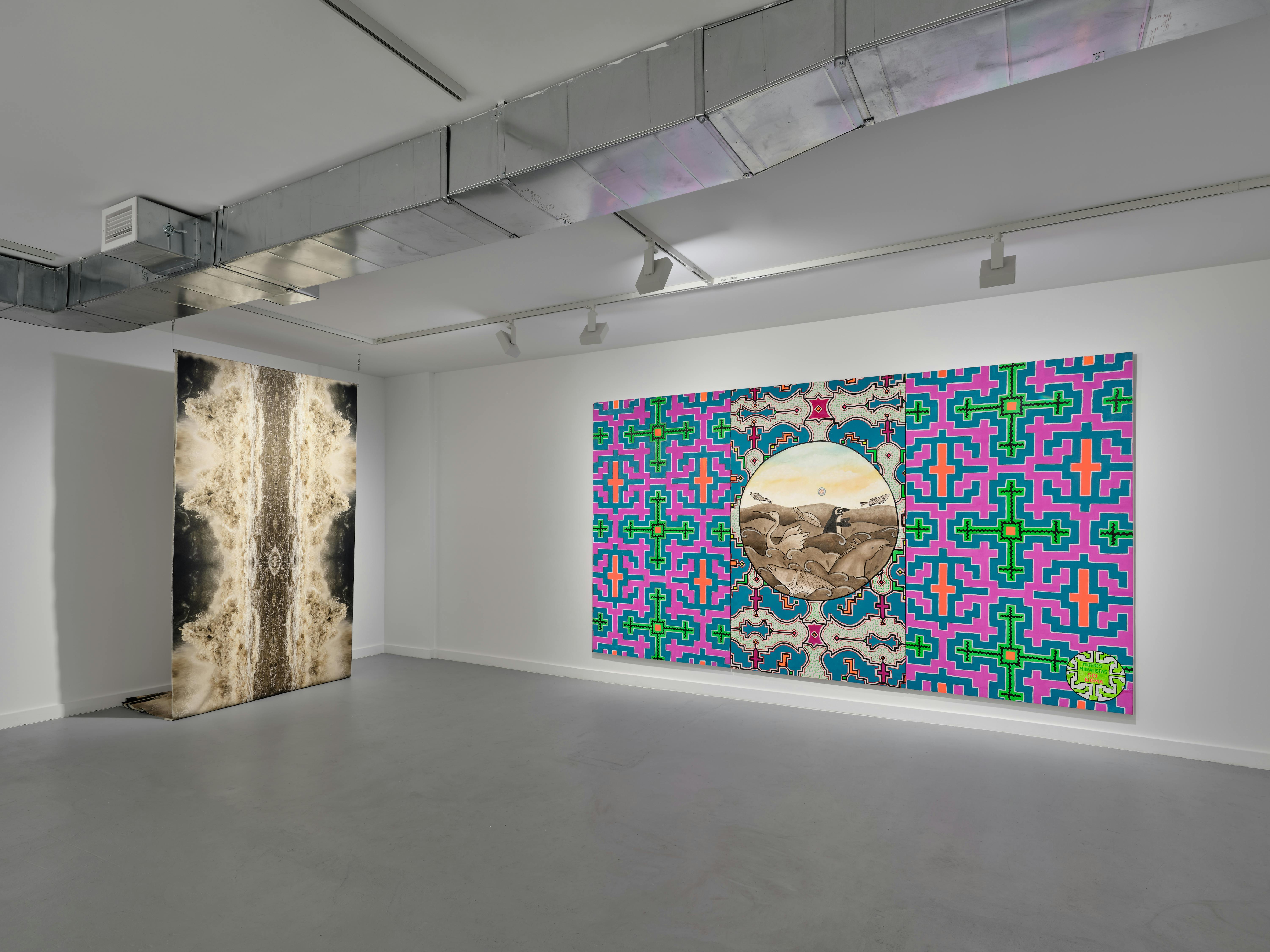
Installation view of The Precious Life of a Liquid Heart, Institute for Studies on Latin American Art (ISLAA), New York, 2023. Photo: Olympia Shannon
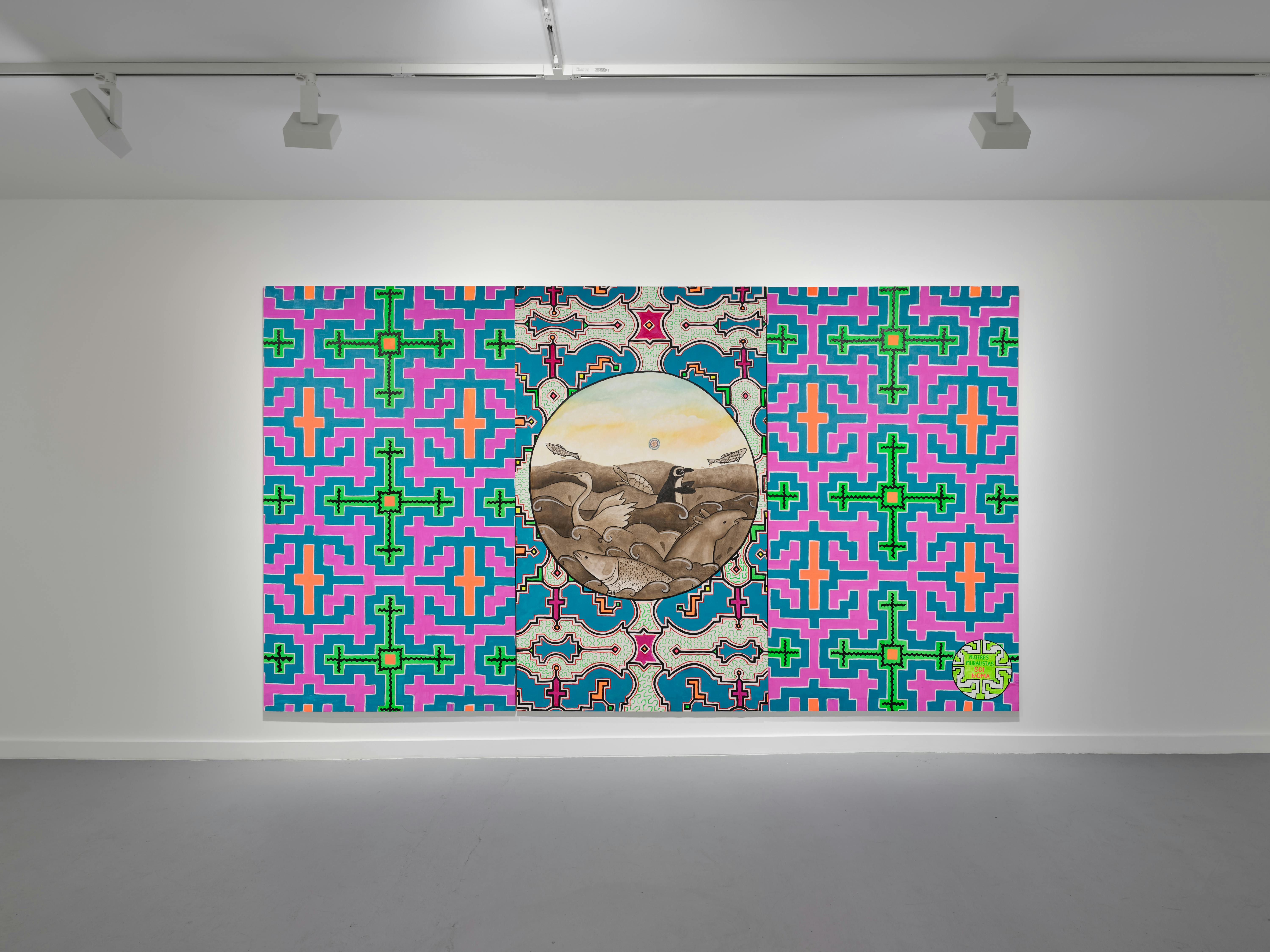
Installation view of The Precious Life of a Liquid Heart, Institute for Studies on Latin American Art (ISLAA), New York, 2023. Photo: Olympia Shannon
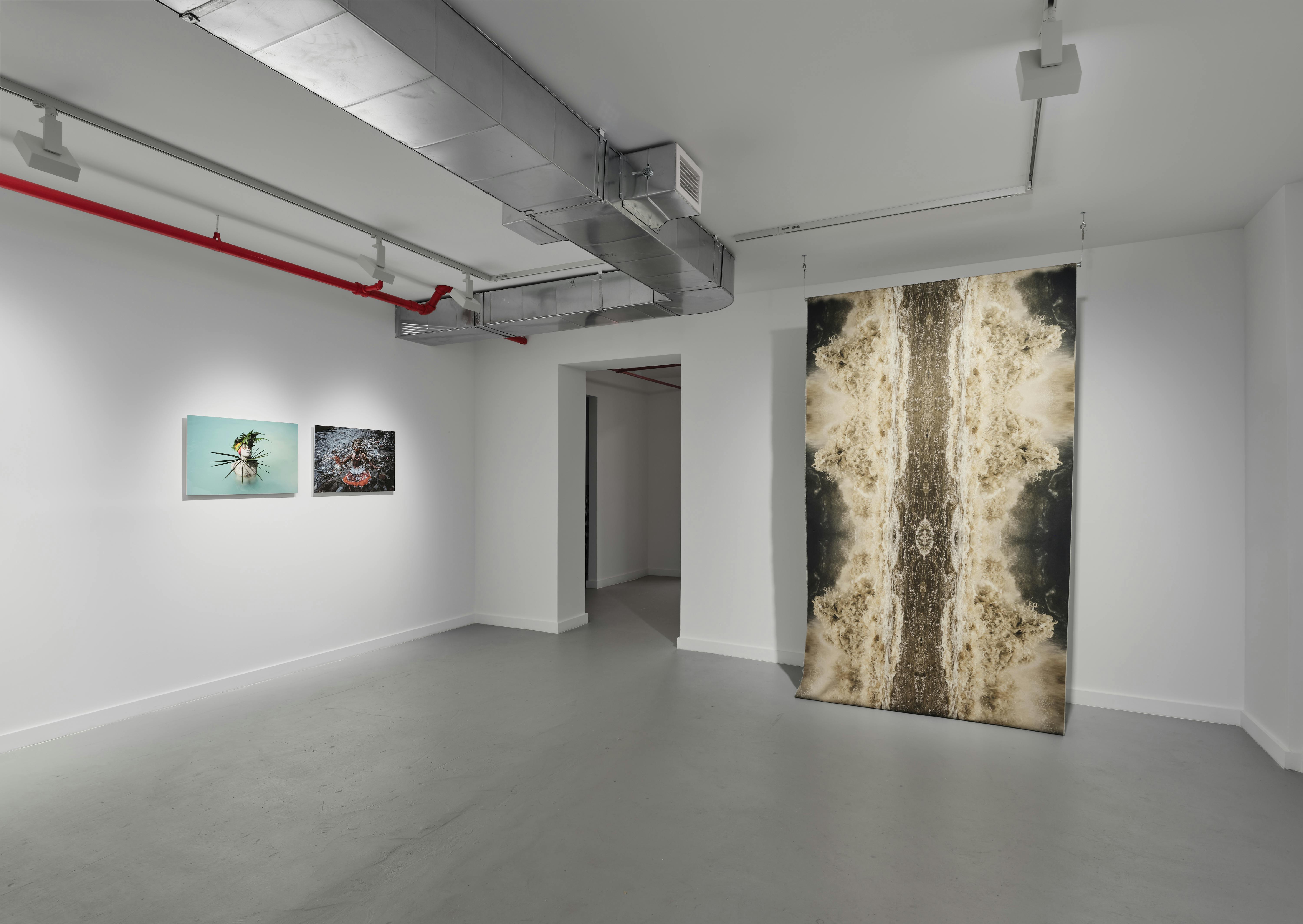
Installation view of The Precious Life of a Liquid Heart, Institute for Studies on Latin American Art (ISLAA), New York, 2023. Photo: Olympia Shannon
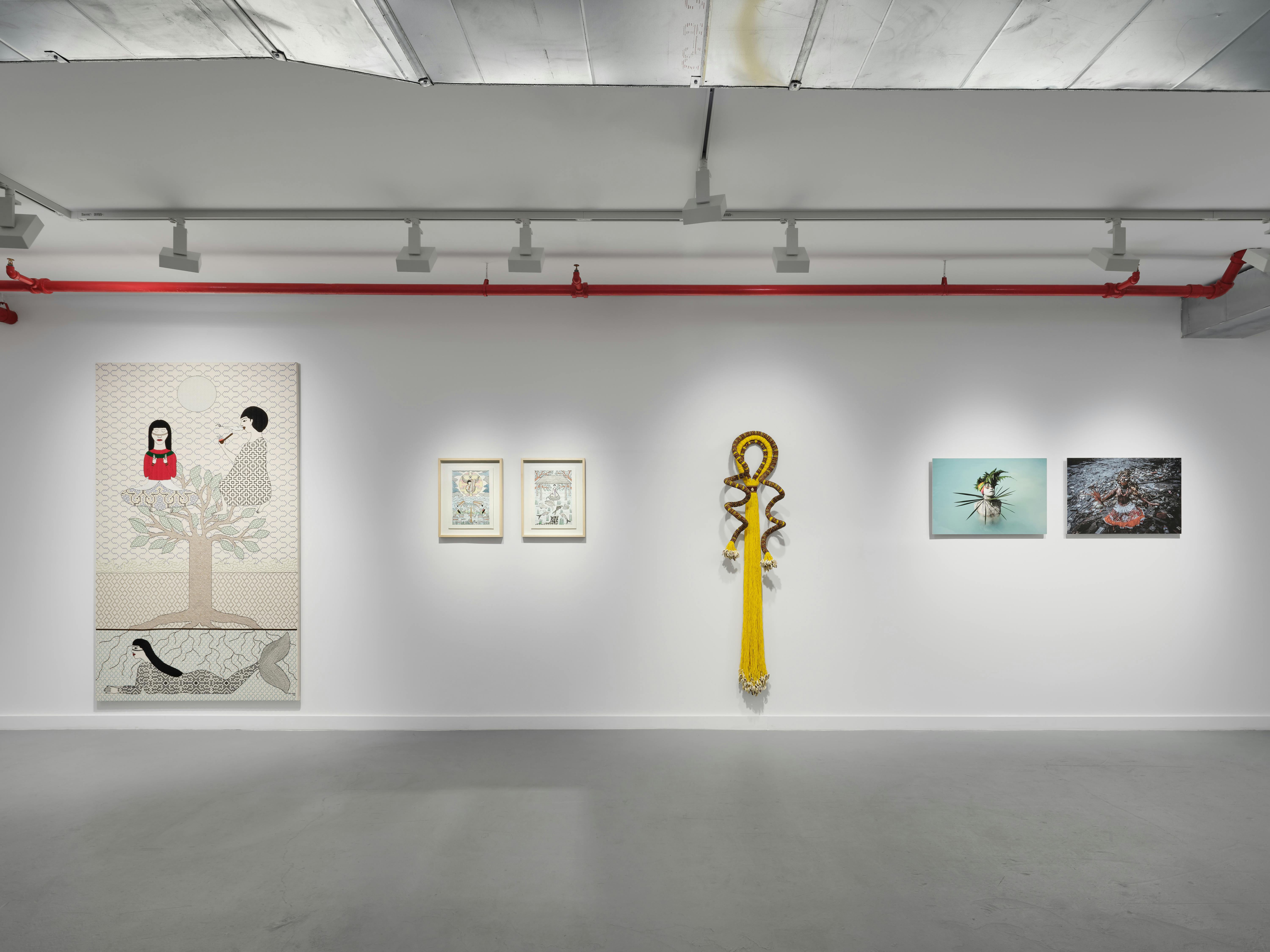
Installation view of The Precious Life of a Liquid Heart, Institute for Studies on Latin American Art (ISLAA), New York, 2023. Photo: Olympia Shannon
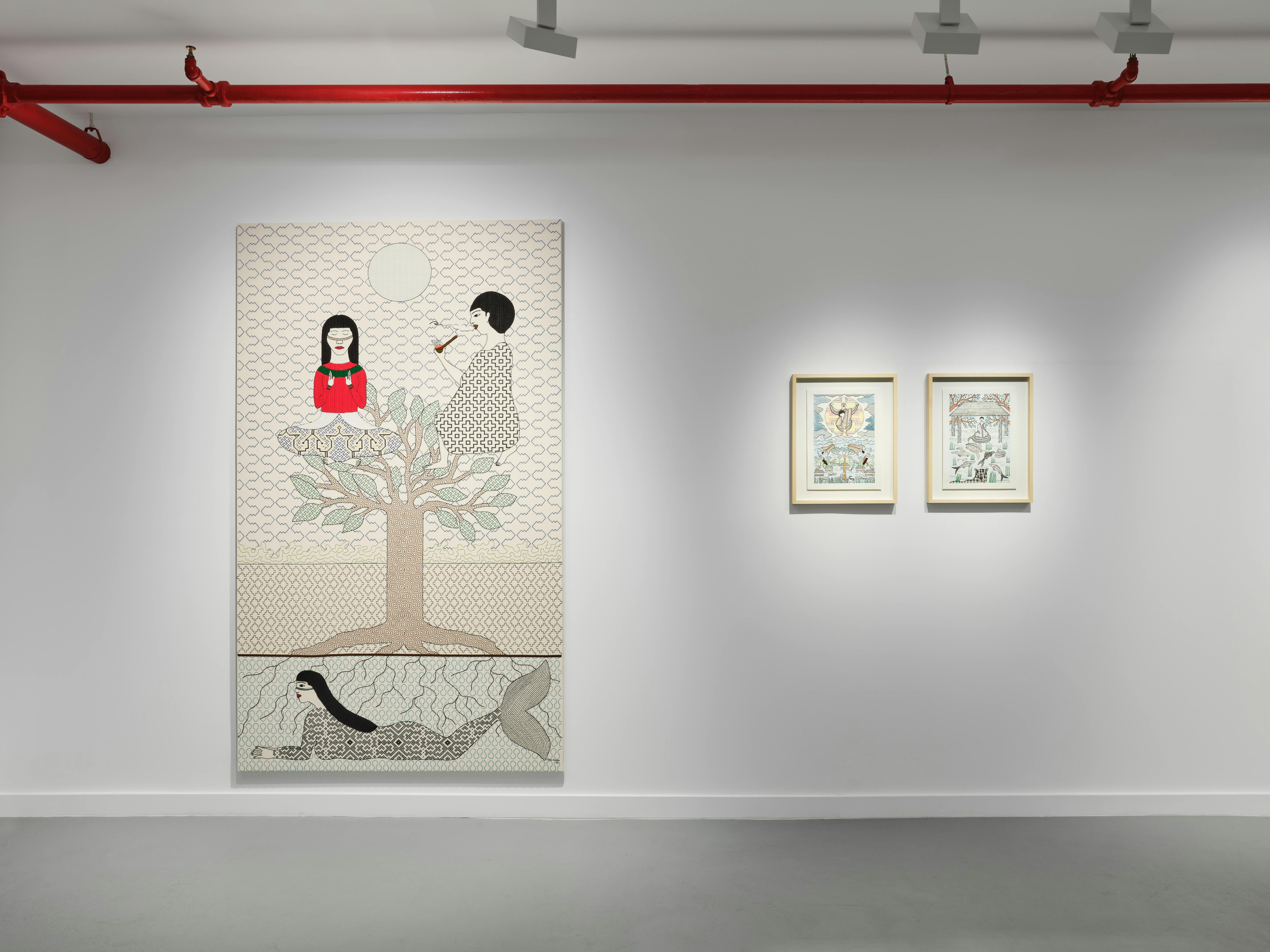
Installation view of The Precious Life of a Liquid Heart, Institute for Studies on Latin American Art (ISLAA), New York, 2023. Photo: Olympia Shannon
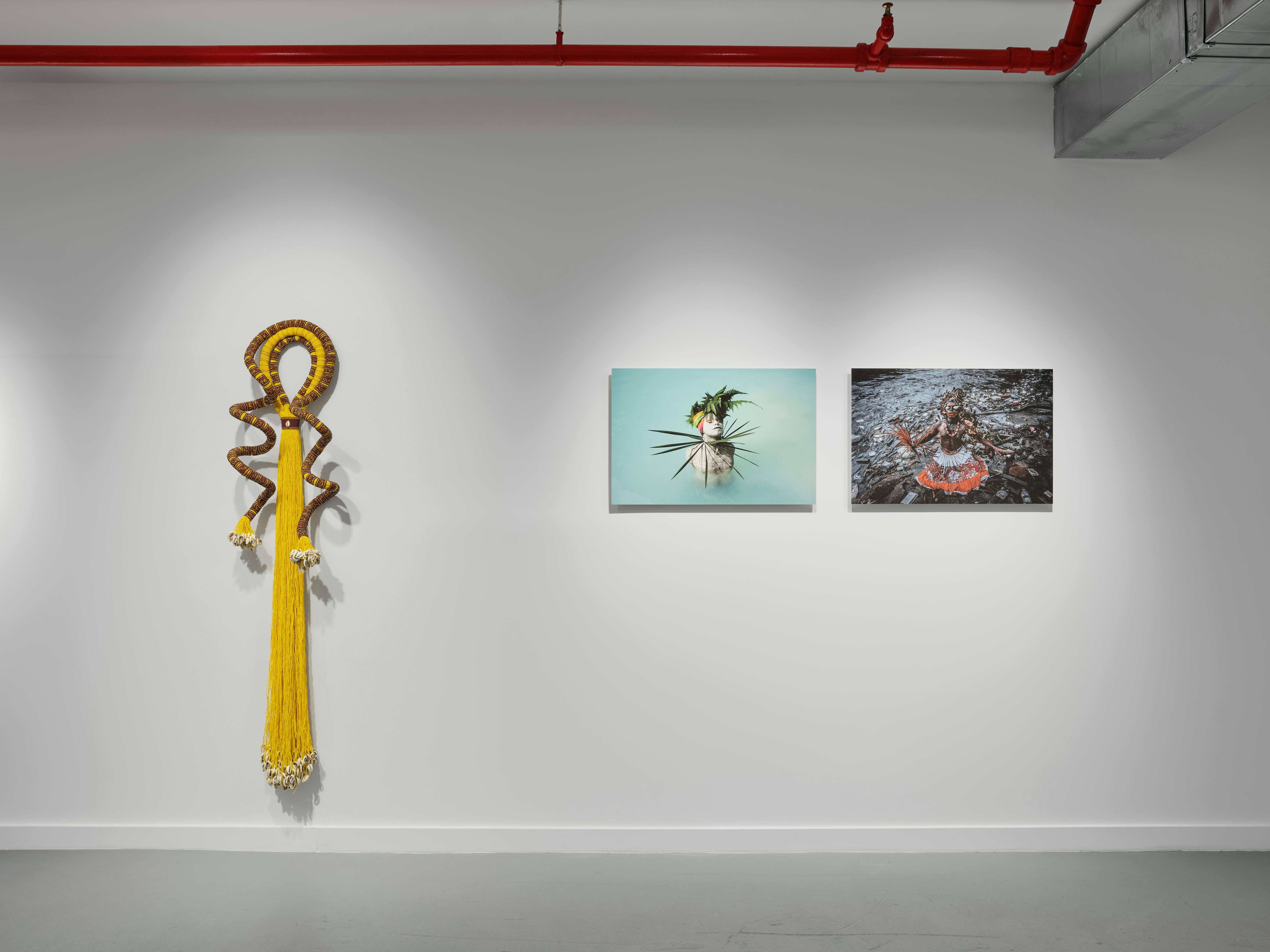
Installation view of The Precious Life of a Liquid Heart, Institute for Studies on Latin American Art (ISLAA), New York, 2023. Photo: Olympia Shannon
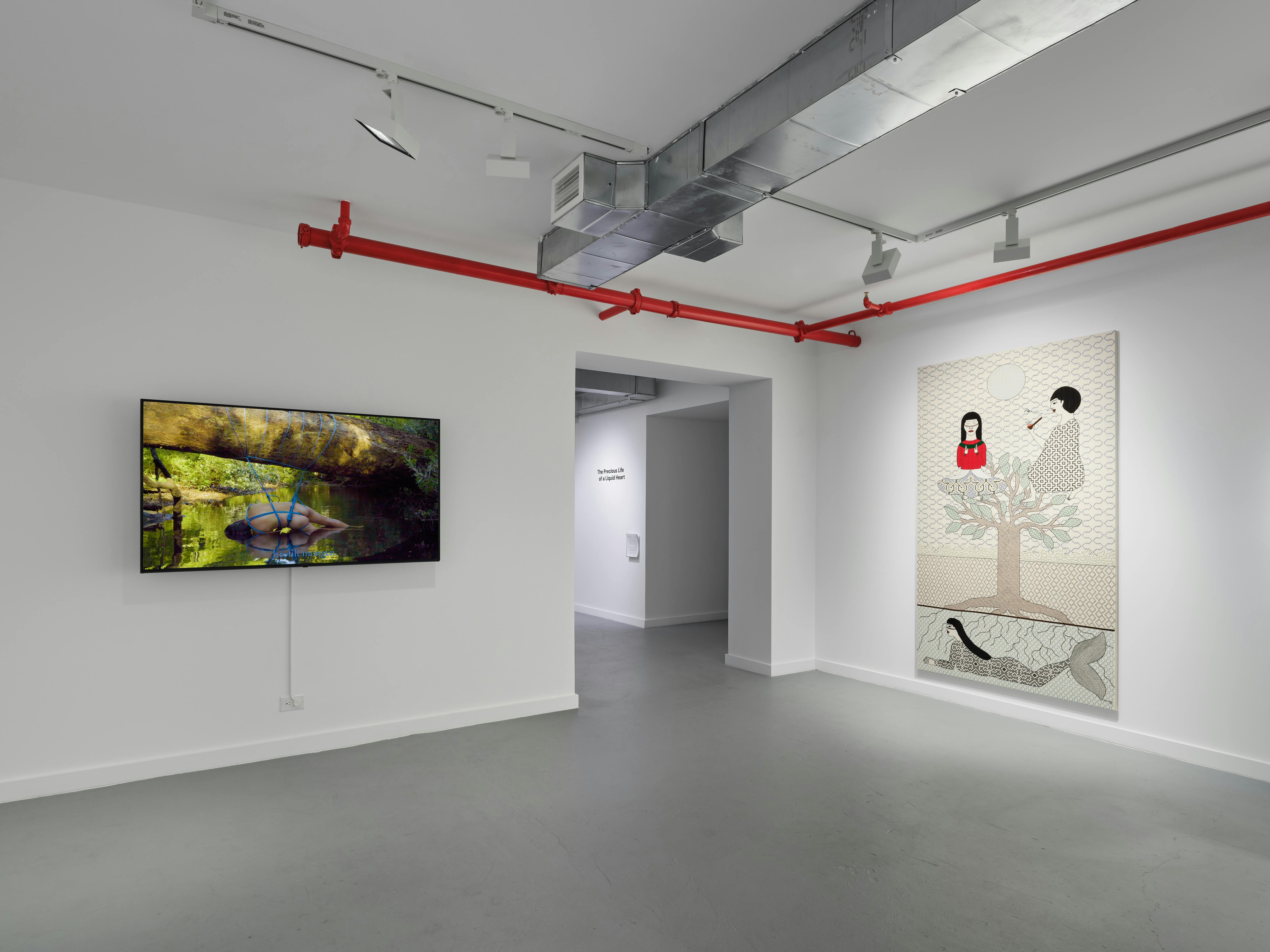
Installation view of The Precious Life of a Liquid Heart, Institute for Studies on Latin American Art (ISLAA), New York, 2023. Photo: Olympia Shannon
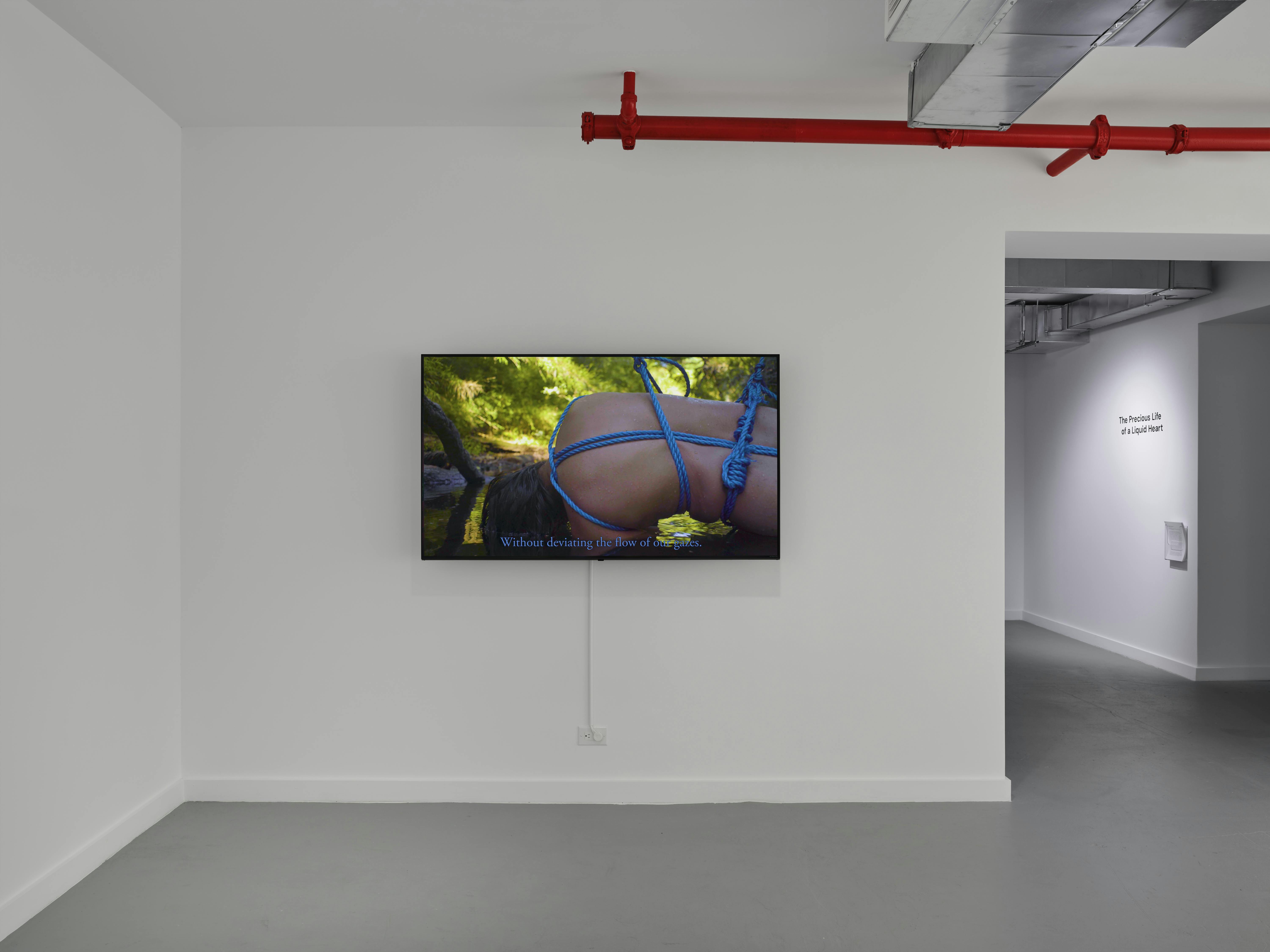
Installation view of The Precious Life of a Liquid Heart, Institute for Studies on Latin American Art (ISLAA), New York, 2023. Photo: Olympia Shannon

ABOUT THE ARTISTS
Carolina Caycedo

Carolina Caycedo (b. United Kingdom, 1978) is a London-born Colombian artist based in Los Angeles. Caycedo explores themes of resource extraction, environmental justice, the impacts of modern infrastructure, and the privatization of waterways. Caycedo holds an MFA from the University of Southern California and a BFA from the Universidad de Los Andes, Bogotá. Impacted greatly by her upbringing near the Magdalena River, known as the Yuma River by the Musika people, her artistic practice combines environmental science research with the embodied knowledge of Indigenous communities impacted by extractive human interventions. Central to Caycedo’s work is the understanding of water as a living entity, and she has been developing art and activism about water rights for over fifteen years. Her ongoing project Be Dammed (Represa/Represión) (2012–present) was inspired by the construction of El Quimbo dam, which diverted water from the Yuma River, permanently altering the lives of Indigenous Colombians in this region, as well as those of other communities and countless animal species. Her diverse body of work consists of sculptures, soundscapes, photographs, videos, drawings, performances, publications, and installations. Caycedo frequently incorporates debris and pollutants into her works, drawing attention to the destructive impact of extraction economies to ecosystems. Caycedo has had solo exhibitions at the Museum of Contemporary Art Chicago; the Institute of Contemporary Art Boston; and the Museum of Modern Art, New York, among others.

Chonon Bensho

Chonon Bensho (b. Peru, 1992) is a multimedia artist, poet, and carrier of traditional Onanya medicinal knowledge. She has established a distinct artistic practice, leading to her work being featured in group and solo exhibitions throughout Latin America, Europe, and the United States. Her first solo presentation, Metsá Nete: The Visionary World of Chonon Bensho, was curated by Christian Bendayán at Alliance Française de Miraflores, Lima (2021). In 2022 her second solo exhibition, Inin Niwe and the Pure World of Eternal Beings, curated by her husband and collaborator Pedro Favaron, opened at the Centro Cultural Inca Garcilaso in Lima. This same year she was awarded the National Painting Prize from the Central Reserve Bank of Peru, establishing her as the first Indigenous woman to be recognized with this prestigious title. Bensho’s solo exhibitions include Maloca, with Favaron, at the Fundación Cervieri Monsuárez, José Ignacio, Uruguay (2025); Jone Jonibo: Los seres espirituales de Chonon Bensho, Museo Central, Banco Central de Reserva del Perú, Lima (2024); Eariki, Galería 80m2, Livia Benavides, Lima (2024); and Chonon Bensho, W–Galería, Buenos Aires (2023). Her work has also been featured in notable group exhibitions including Amazonia Açu at Americas Society, New York (2025); The Precious Life of a Liquid Heart, ISLAA, New York (2023); Histórias indígenas, Museu de Arte de São Paulo Assis Chateaubriand (MASP), in collaboration with Kode-Bergen Art Museum, Bergen, Norway (2023); Visions chamaniques, Arts de l'ayahuasca en Amazonie péruvienne, Musée du quai Branly, Paris, France (2023); and A River, a Snake, a Map in the Sky, in Basel, Switzerland, as part of the Culture Scapes Art Festival (2021). Bensho’s work is held in private collections throughout Peru and abroad, including Museo de Arte de Lima, Museo Central, and Hochschild Correa collection in Peru; as well as internationally within MASP in Brazil, Fundación Ama Amodeo and Fundación Cervieri Monsuárez in Uruguay, Jubiläumasstiftung der Mobiliar in Switzerland, and the Denver Art Museum and ISLAA in the United States.

Nádia Taquary

Nádia Taquary (b. Brazil, 1942) was born in Salvador, the capital city of the Brazilian state of Bahia and the city with the largest Afro-descendant population outside of Africa. Her work draws inspiration from her Yoruba-Brazilian spirituality practices in candomblé, often exploring experimental interpretations of the orishas, their stories, and their ancestral knowledge. Taquary's artistic aesthetic is rooted in the everyday materials used in the practice of candomblé and in joias crioulas, a traditional form of jewelry made by Black women in Bahia since the eighteenth century and worn both as symbols of social status and for spiritual protection. As enslaved women used these complex and beautiful pieces of jewelry to gather resources to buy their freedom, the joias crioulas represent nowadays the sophistication of Black cultural production in Bahia as well as the political strength of Black women. Taquary's work incorporates metal, wood, glass beads, shells, cauris, and coral to represent orishas such as Oshun, Yemanja, Xango, Osain, and Obatala. In recent years, her work has been paying special attention to the Yoruba female ancestral deities, searching in precolonial Africa for tools that could support contemporary women's liberation. Taquary’s work has been featured in exhibitions at the Museu de Arte do Rio, the Museu de Arte da Bahia, the Museu de Arte de São Paulo, and the Fowler Museum at the University of California, Los Angeles. In 2024, she will participate in the 24th Biennale of Sydney.

Seba Calfuqueo

Seba Calfuqueo (b. Chile, 1991) is a trans, non-binary Mapuche artist born in Lo Prado, Chile. Their practice encompasses performance, ceramics, video, photography, drawing, and installation. Calfuqueo’s work confronts the impact of coloniality and its binary nature on the lives of Indigenous people and the environment, while it elaborates alternatives to the territorial, cultural, and ecological conflicts of our time. Calfuqueo’s work questions the colonial categories of gender, sexuality, race, and social class, opposing the ways used by the Western onto-epistemological system to violently objectify, classify, and commodify nature. Through a practice of intense symbolic force and visual impact, Calfuqueo creates works that intertwine politics, history, spirituality, queerness, and environmentalism. The word “Calfu” in Mapudungun means blue, a color associated by the Mapuche with all that is sacred. Therefore, this color is very present in Calfuqueo’s work. In their practice, we see the coexistence between translation and the untranslatable, maintaining the political and spiritual power of the secret, the sacred, the refusal, and the inapprehensible. Born near the Cautín River in Chile's La Araucanía region, Calfuqueo frequently engages with bodies of water in their performances, associating the fluidity of this element with the fluidity of gender and investigating the relationship between water, territory, and belonging from the perspective of the Mapuche culture and history. The area where Calfuqueo grew up was directly impacted by the 1981 Water Code implemented by Augusto Pinochet, who catastrophically privatized water in Chile. In 2021, Calfuqueo received the Eyebeam’s Fractal Fellowships Award and participated in many major international exhibitions such as the 12th Bienal do Mercosul in Brazil, the 22nd Bienal de Arte Paiz in Guatemala, and the 34th Bienal de São Paulo, among others. 

UÝRA

UÝRA (b. Brazil, 1991) is a trans non-binary Indigenous artist from the Amazon region of Brazil who develops performances, photographs, videos, and installations. Now based in Manaus, the Amazon’s industrial capital, UÝRA grew up near Santarém, in Pará State. The contrast between the clean waters of her youth and the intense pollution she witnessed later in urbanized areas of the Amazon drives her current artistic ethos, shaped by extensive academic training as a biologist and environmentalist coupled with her embodied experiences living in the Amazon rainforest. UÝRA sees the Amazon rainforest and rivers as mirrors of society and understands humans as inseparable from their environments. Her evolving artistic practice spans art institutions, public spaces, and forests, emphasizing her art as a continuation of the environment. For her performances, she creates costumes that utilize organic materials including leaves, clay, branches, and pigments, allowing her to embody animals, plants, and other unnamed forces from the Amazon, in addition to performing as a living entity hurt by water contamination. UÝRA’s performances expose the continued colonization, pollution, and deforestation of the Amazon, emphasizing the land as a spiritual being. UÝRA conveys stories of marginality, suggesting that true access to the Amazon can only be granted through spirituality and highlighting the limitations of Western forms of thinking. UÝRA has performed at the 34th São Paulo Biennial (2021), Manifesta Biennial in Kosovo (2022), and the Barbican Centre in London (2023). In 2023, she was the subject of an exhibition titled UÝRA: The Living Forest at the Currier Museum of Art in Manchester, New Hampshire. 

Soi Noma

Soi Noma is a collective of female muralists from Cantagallo, a province in Lima inhabited primarily by members of the Shipibo-Conibo community, of which Soi Noma is a part. They create large-scale works in the style of kené, a traditional Shipibo design form characterized by systematic geometric patterns and mathematical equations that generate surface tension through symmetry and vibration. Kené plays a vital role in Shipibo-Conibo life, appearing in body paint, textiles, wood, ceramic, and beads. These patterns express notions of cosmology, health, gender, and self-identity, and are often used for narrative purposes. Members of Soi Noma live near the Ucayali River, the main headstream of the Amazon River. Water contamination has long affected the Shipibo-Conibo community, primarily at the hands of oil companies that allow spills and residue to pollute the river. Climate change has disrupted food production for the Shipibo-Conibo, with extreme droughts followed by river flooding, upending centuries of stable ecosystems. Through their use of kené, Soi Noma asserts their culture's presence, strength, and resilience in the face of the continued contamination of their land. The collective currently consists of twelve artists: Olinda Silvano, Sadith Silvano, Wilma Maynas, Silvia Ricopa, Carmen Jéssica Silvano, Salomé Buenapico, Delia Pizarro, Dora Inuma, Pilar Arce, Rosy Silvano, Nelda Silvano, and Cordelia Sánchez.

ABOUT THE CURATOR
Bernardo Mosqueira

Bernardo Mosqueira is Chief Curator at the Institute for Studies on Latin American Art (ISLAA). He is also the founder and artistic director of Solar dos Abacaxis, an institution for experimentation in art, education, and social transformation in Rio de Janeiro, and since 2011, he has directed Premio FOCO ArtRio, a national award for emerging artists. Previously, Mosqueira was the ISLAA Curatorial Fellow at the New Museum, organized the performance festival Venus Terra, and worked as a curator at Galeria de Arte Ibeu. He has been curating exhibitions, editing books, teaching, and contributing texts to art publications since 2010; was awarded the Premio Lorenzo Bonaldi in 2017; and cofounded Fundo Colaborativo, the first emergency fund for artists in Brazil, in 2020. His recent exhibitions include Miriam Inez da Silva at the Museu da República, Brasília (2021); Castiel Vitorino Brasileiro: Eclipse at the Hessel Museum of Art in Annandale-on-Hudson, NY (2021); and Daniel Lie: Unnamed Entities at the New Museum, New York (2022).