ISLAA is pleased to present Ulises Beisso: (Hidden) in Plain Sight. Marking the first exhibition of the visionary Uruguayan artist Ulises Beisso (1958–1996) in the United States, this exhibition focuses on his introspective final work, produced following his travels to New York in the mid-1990s. Developed in the aftermath of Uruguay’s military dictatorship and against the backdrop of the AIDS crisis, Beisso’s work from this period offers a poignant meditation on the vulnerability and visibility of the body between private and public space.
Celebrated in local circles during his lifetime, Beisso was a singular figure within Montevideo’s art scene in the 1980s and ’90s. He developed a unique aesthetic sensibility that subverted social norms, exploring topics of queer sexuality and spirituality through an exuberantly inventive approach to figuration. In a prolific output that ranged from elaborate sculptures of fictive demigoddesses to vibrant paintings of otherworldly beings, Beisso conveyed an imaginative and all-encompassing form of world-building.
Bringing together thirty-four paintings, sculptures, and works on paper from between 1994 and 1996, the exhibition is organized around Beisso’s decisive 1995 trip to New York, where he encountered the work of a generation of artists confronting the AIDS epidemic, including Ross Bleckner and Félix González-Torres. Struck by their distinct artistic formal approaches to grief and the body, he began the stirring series Imagenes de lo (mi) escondido, on view in this exhibition. Depicting the same solitary semi-nude male figure against a black celestial backdrop, the series explores the entangled themes of pleasure and pain, visibility and invisibility, interiority and exteriority. Here, it is presented in dialogue with works that engage similar topics, while archival materials—photographs, catalogues, press clippings, and sketches from the Ulises Beisso archive at ISLAA—offer insight into this critical moment of transformation.
Beisso’s work was preserved by his family members after his death in 1996 and has only recently begun to receive broader recognition, with major solo exhibitions at SUBTE in Montevideo, curated by Pablo León de la Barra, and at the Museo de Arte Latinoamericano de Buenos Aires, curated by Martin Craciun. This exhibition, mounted thirty years after the artist’s death, revisits his little-known output, placing his final work within a broader continuum of artists reflecting on the material limits of the body and our capacity to transcend them.
Ulises Beisso: (Hidden) in Plain Sight is curated by Mariano López Seoane with Olivia Casa, with assistance from Micaela Vindman. It is accompanied by an original publication and will coincide with the release of a new facsimile edition of the artist’s sketchbook.
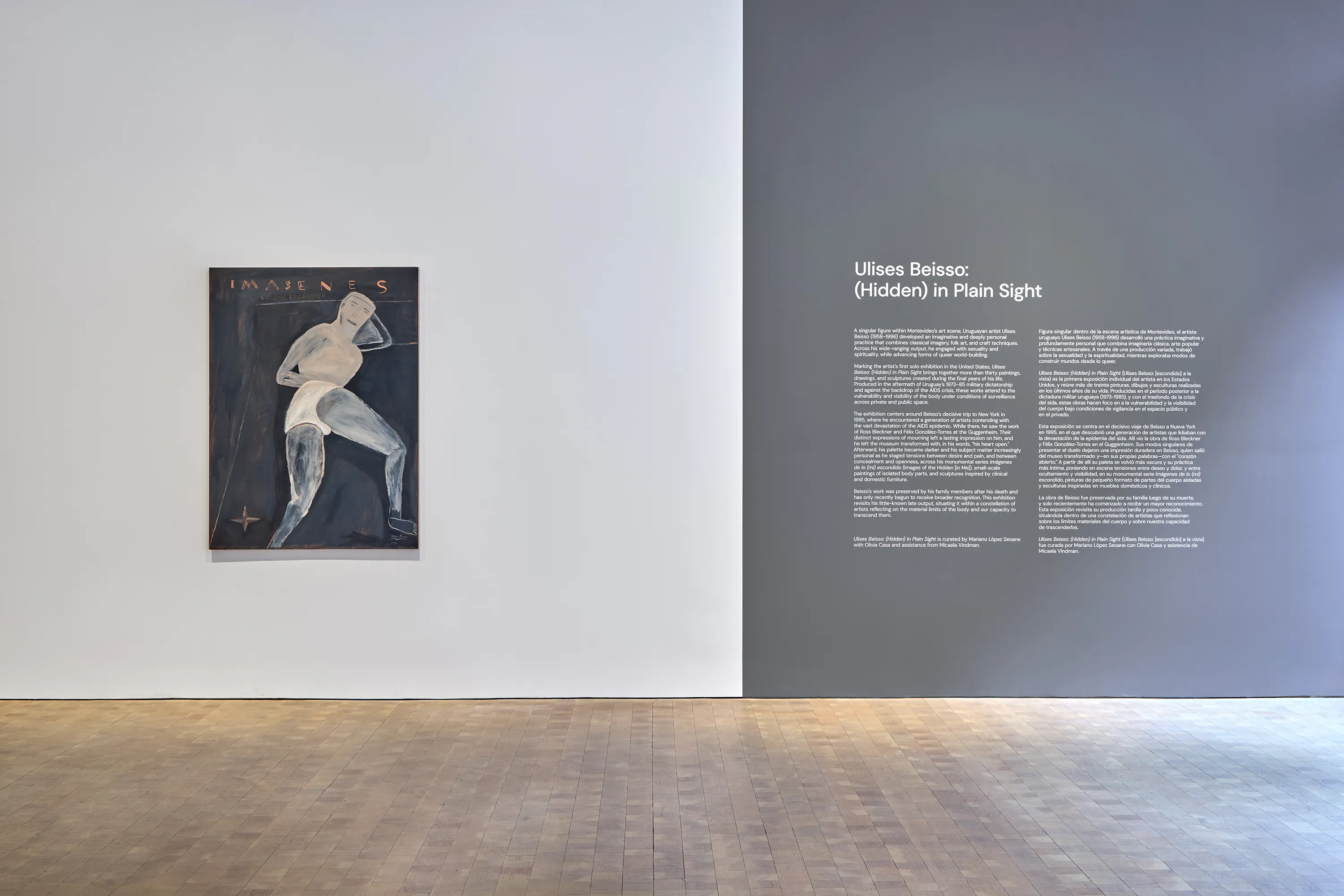
Installation view of Ulises Beisso: (Hidden) in Plain Sight, ISLAA, 2026. Photo: Marc Tatti
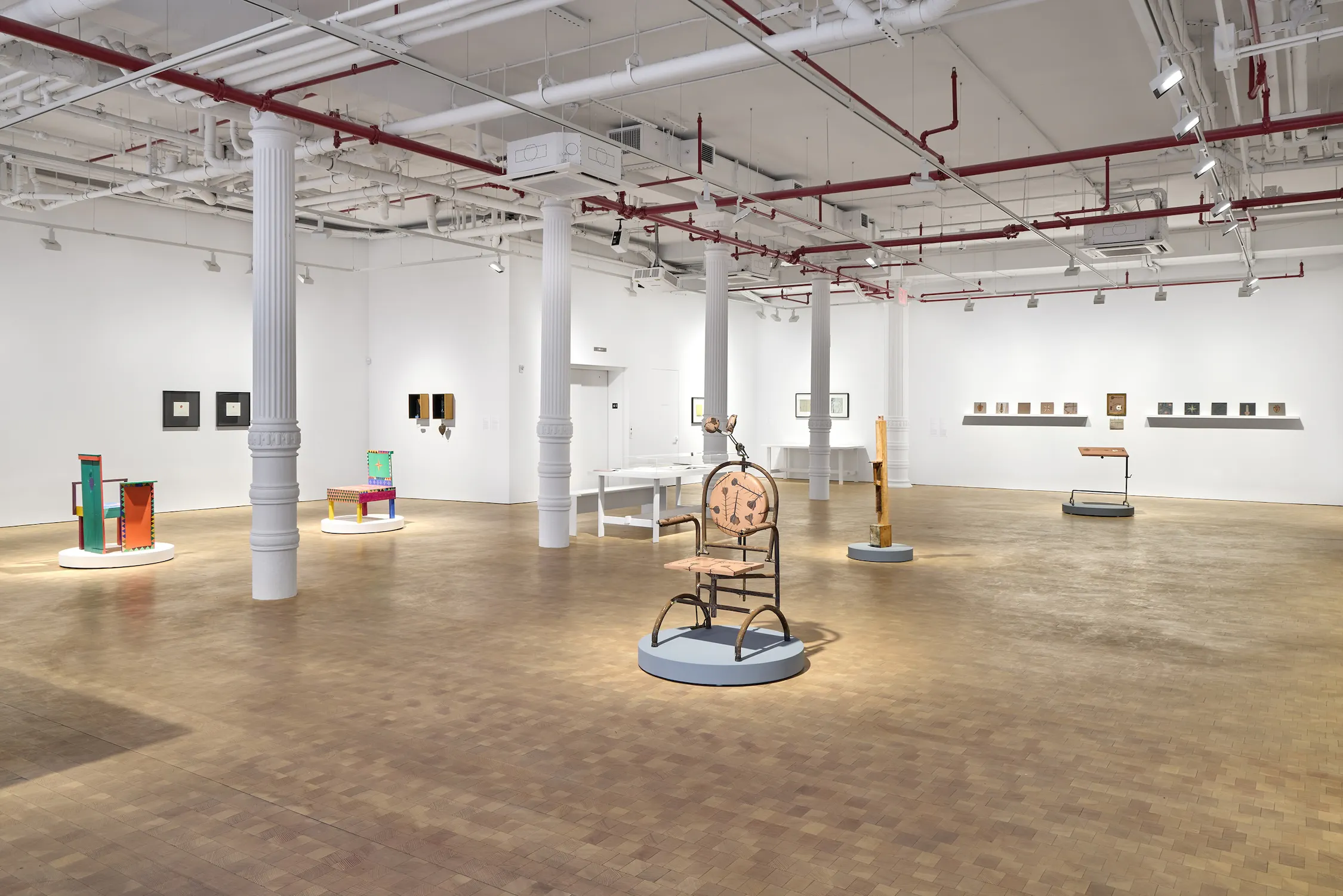
Installation view of Ulises Beisso: (Hidden) in Plain Sight, ISLAA, 2026. Photo: Marc Tatti
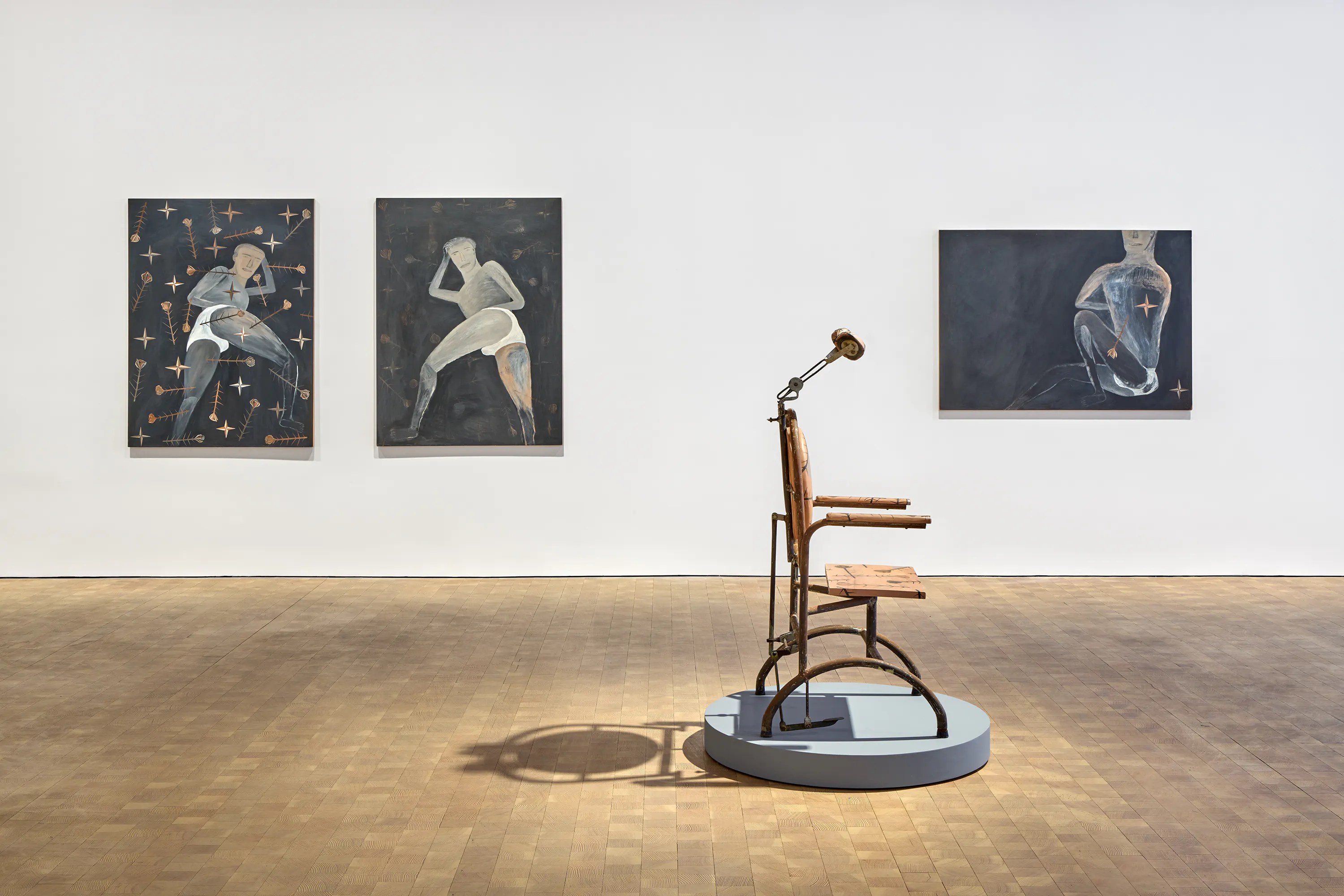
Installation view of Ulises Beisso: (Hidden) in Plain Sight, ISLAA, 2026. Photo: Marc Tatti
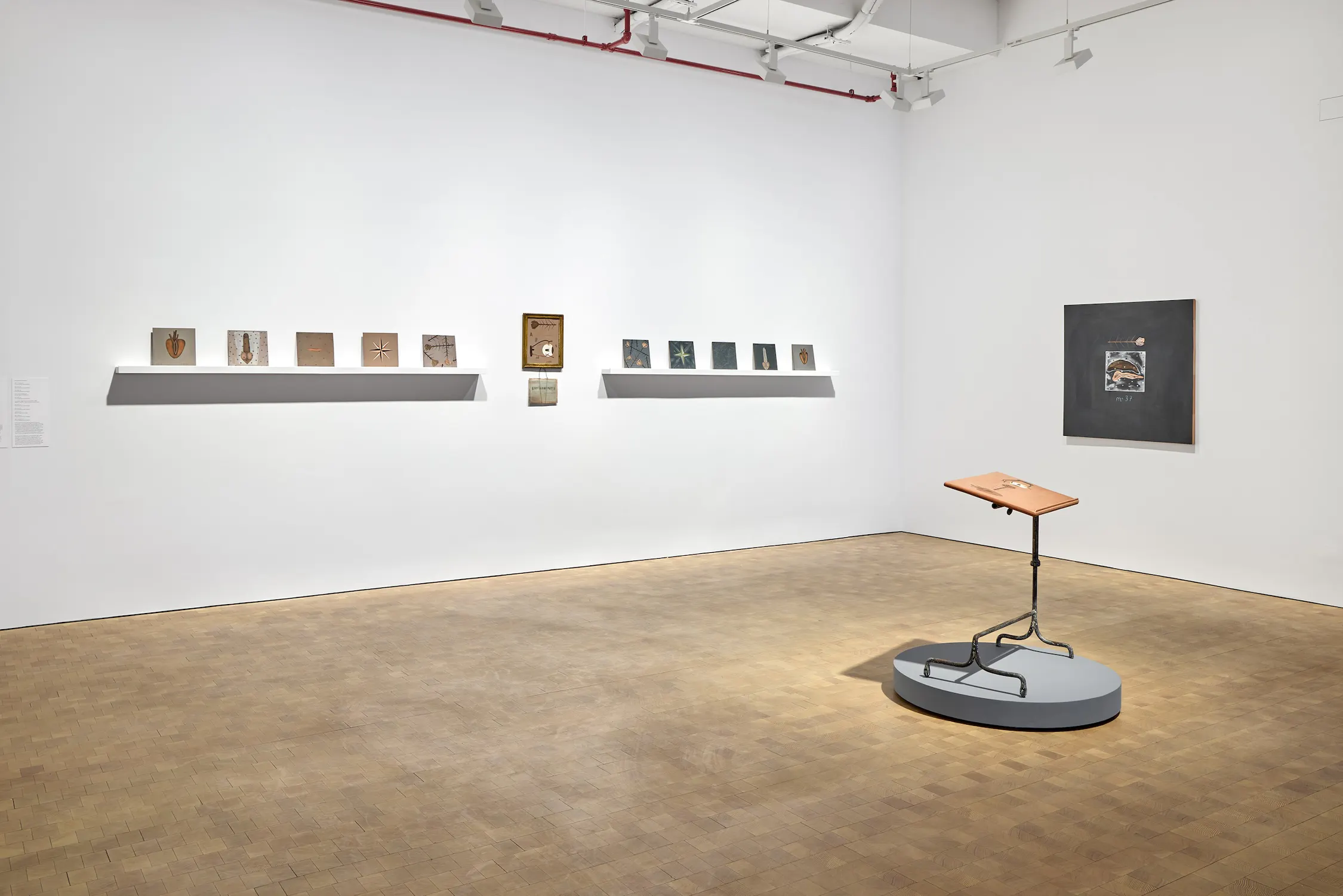
Installation view of Ulises Beisso: (Hidden) in Plain Sight, ISLAA, 2026. Photo: Marc Tatti
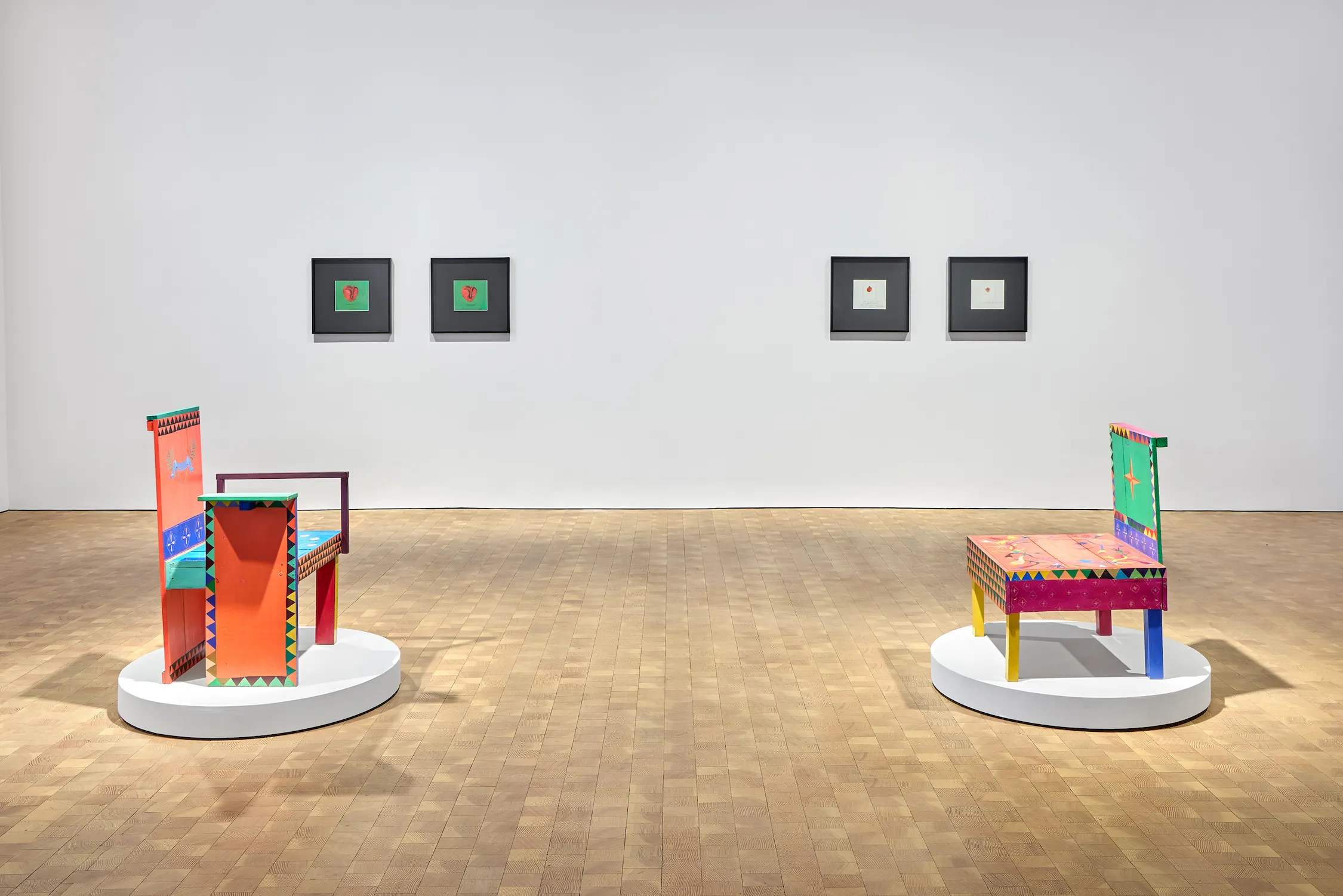
Installation view of Ulises Beisso: (Hidden) in Plain Sight, ISLAA, 2026. Photo: Marc Tatti
Ulises Beisso (Uruguay, 1958–1996) was an artist whose intensely personal and imaginative body of work explored love, sexuality, identity, and dissent within the culturally conservative context of 1980s and early 1990s Montevideo. Over the course of a short but prolific career, he produced more than three hundred works spanning painting, drawing, assemblage, sculpture, and furniture design.
Born into a family with strong intellectual ties——he was the grandson of Carlos Quijano, founder of the influential weekly newspaper Marcha——Beisso trained in Uruguay and Mexico, including studies at La Esmeralda in Mexico City. Alongside his artistic production, he worked as a psychologist, an illustrator, and a graphic designer, notably for Marcha.
Beisso’s work draws freely from classical mythology, medieval and Renaissance iconography, and decorative arts, often inflected with humor and a deliberate embrace of ornament. He constructed an imaginative universe populated by angels, mythical creatures, earthly goddesses, and demi-goddesses. Between 1990 and 1994, he developed the “Doras” series: carved wooden figures of human scale conceived, according to his Dorian Manifesto, as part of a secret religion devoted to fantasy, pleasure, and the rejection of shame.
Much of Beisso’s production remained unseen during his lifetime but has gained significant posthumous recognition through exhibitions such as Rara avis at Subte in Montevideo in 2021 and Mi mundo privado at the Museo de Arte Latinoamericano de Buenos Aires in 2025. He died in 1996 at the age of thirty-eight.
